Introduction
Healthy, glowing skin doesn’t happen overnight. It is the result of consistent skin care, a healthy lifestyle, and choosing the right skin treatment for your individual skin concerns.
Our skin is constantly exposed to sunlight, pollution, makeup, stress, and other environmental factors. Over time, these factors can contribute to problems such as acne, pigmentation, dullness, enlarged pores, uneven skin tone, fine lines, and dehydration.
A personalized approach to skin care can help maintain the skin’s health while professional skin treatments can target specific concerns and improve the overall appearance of your complexion.
Why Is Skin Care Important?
A good skin care routine helps keep your skin clean, hydrated, and protected. While everyone’s skin is different, a basic routine generally includes:
- Gentle cleansing
- Regular moisturization
- Sun protection
- Proper hydration
- A balanced diet
- Avoiding unnecessary irritation
Using products that are suitable for your skin type is also important. Oily, dry, sensitive, acne-prone, and combination skin can all require different approaches.
When Do You Need Professional Skin Treatment?
Daily skin care is an important foundation, but sometimes specific concerns require professional attention.
A professional skin treatment may be considered for concerns such as:
- Acne and acne scars
- Dark spots and pigmentation
- Uneven skin tone
- Dull or tired-looking skin
- Fine lines and wrinkles
- Enlarged pores
- Sun damage
- Dehydrated skin
- Loss of skin firmness
- Uneven skin texture
The right treatment depends on your skin condition, goals, skin type, and medical history.
Popular Skin Treatment Options
There are several professional treatments designed to address different skin concerns.
HydraFacial
HydraFacial is a popular facial treatment that combines cleansing, exfoliation, extraction, and hydration. It can help remove impurities while leaving the skin looking refreshed and radiant.
Chemical Peels
Chemical peels use carefully selected solutions to exfoliate the outer layers of the skin. Depending on the type of peel, they may help improve pigmentation, acne, uneven texture, and overall skin appearance.
PRP Skin Treatment
PRP, or Platelet-Rich Plasma, uses components of your own blood as part of a cosmetic treatment. It is commonly used to support improvements in skin texture and appearance.
Microneedling
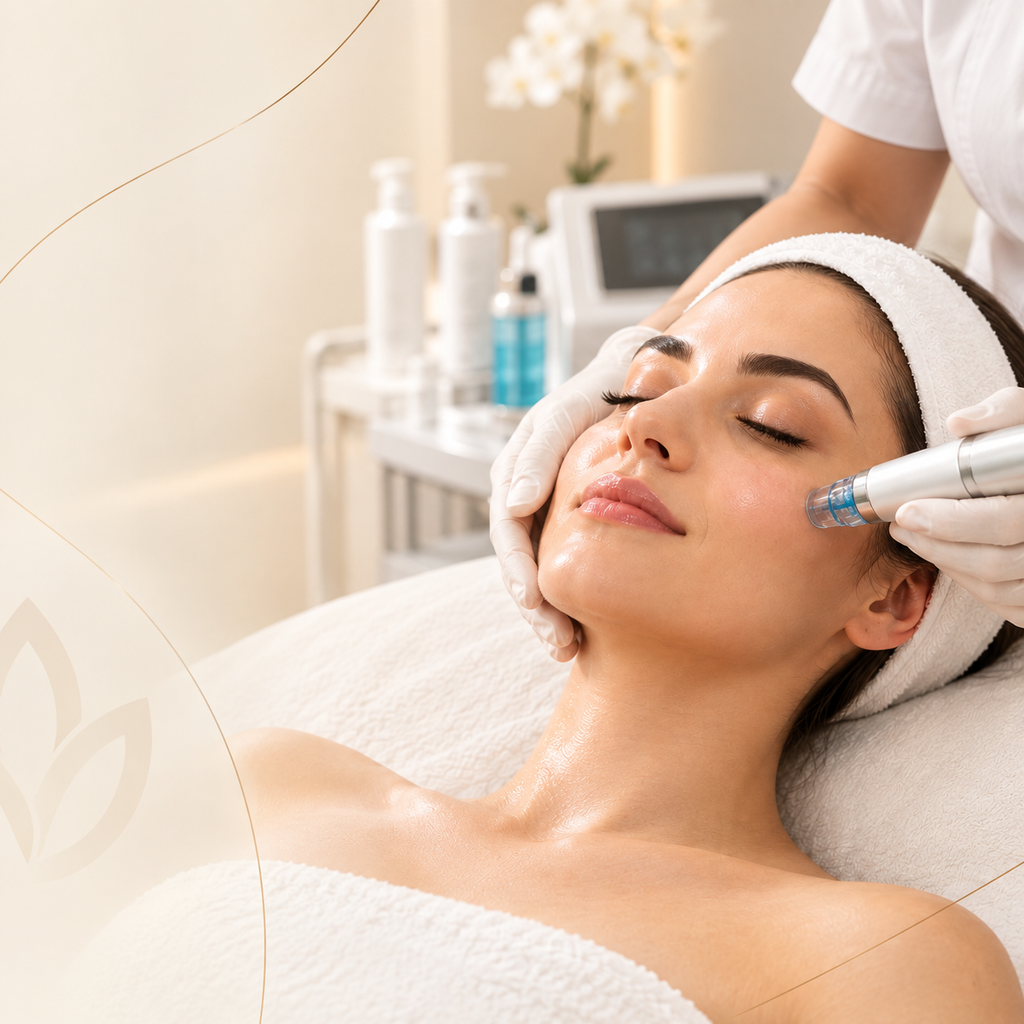
Microneedling creates controlled micro-injuries in the skin to stimulate the body’s natural healing response. It may be used to improve the appearance of acne scars, fine lines, pores, and uneven texture.
Mesotherapy
Mesotherapy involves delivering selected ingredients into the skin through multiple small injections. The specific ingredients and treatment approach can vary depending on the patient’s skin concerns.
HIFU
HIFU, or High-Intensity Focused Ultrasound, is a non-surgical treatment that uses focused ultrasound energy. It is commonly used for skin tightening and improving the appearance of mild skin laxity.
How to Choose the Right Skin Treatment
Choosing a skin treatment should not be based only on what is popular on social media. A treatment that works well for one person may not be appropriate for another.
Before starting a treatment, consider:
1. Your Skin Type
Understand whether your skin is oily, dry, combination, sensitive, or acne-prone.
2. Your Main Concern
Identify whether your priority is pigmentation, acne, scars, wrinkles, hydration, texture, or skin tightening.
3. Professional Assessment
A qualified skin-care professional can assess your skin and recommend an appropriate treatment plan.
4. Realistic Expectations
Professional treatments can improve the appearance of the skin, but results vary from person to person and may require multiple sessions.
Skin Care After a Treatment
Post-treatment care is an important part of the process. Depending on the procedure, you may need to:
- Use gentle skin-care products
- Keep your skin moisturized
- Apply sunscreen regularly
- Avoid excessive sun exposure
- Avoid picking or irritating treated skin
- Follow the specific aftercare instructions provided by your practitioner
Good aftercare can help support your skin while it recovers.
Skin Care Is a Long-Term Commitment
Professional treatments can be useful, but they should complement—not replace—a consistent daily skin-care routine.
Cleansing, moisturizing, sun protection, adequate hydration, and healthy lifestyle habits can help maintain your skin between professional treatments.
The goal of good skin care is not simply to change the appearance of your skin temporarily. It is about developing a routine that supports healthier-looking skin over time.
Final Thoughts
Every person’s skin is different, which is why there is no single skin treatment that works for everyone. Whether you’re dealing with acne, pigmentation, dullness, scars, fine lines, or uneven texture, understanding your skin concern is the first step toward choosing an appropriate approach.
A combination of consistent skin care and professionally recommended treatments can help you work toward healthier, smoother, and more radiant-looking skin.
Ready to take better care of your skin? Consult a qualified skin-care professional to understand your skin’s needs and find a treatment plan suited to you.